
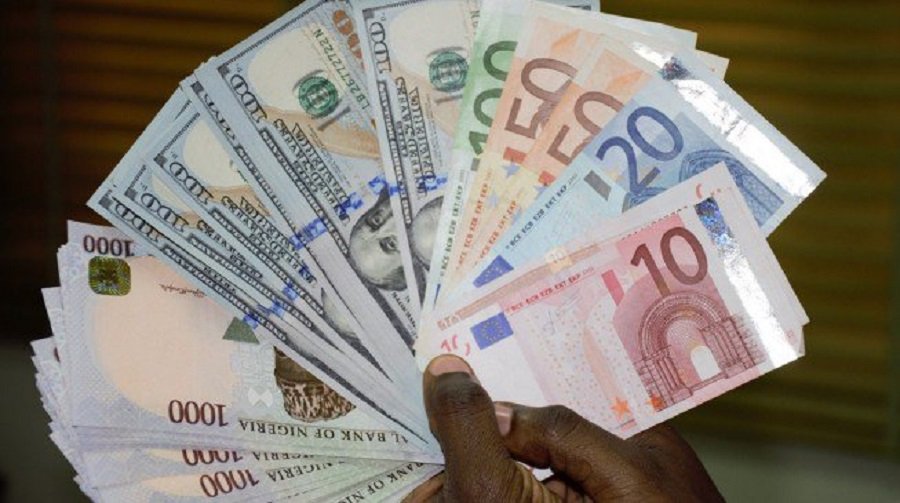
The Nigerian Naira (NGN) to British Pound Sterling (GBP) exchange rate is an essential financial metric that affects businesses, investors, and individuals engaging in international transactions. Understanding the Nigerian Naira to GBP exchange rate involves examining various factors, including historical trends, economic policies, and market forces that influence currency value. This article provides a comprehensive guide to the Nigerian Naira to GBP exchange rate, its implications, and the economic factors that determine its fluctuations.
Understanding the Nigerian Naira to GBP – A Comparison of Two Currencies
The Nigerian Naira (NGN) is the official currency of Nigeria, introduced in 1973 to replace the British Pound at a rate of 2 Naira to 1 Pound. On the other hand, the British Pound Sterling (GBP) is the currency of the United Kingdom and one of the world’s oldest and strongest currencies. The GBP is known for its stability and global acceptance, making it a key currency in international trade and finance.
Historical Trends of Nigerian Naira to GBP Exchange Rate – Key Shifts and Economic Impacts
The exchange rate between the Nigerian Naira and GBP has experienced significant fluctuations over the years due to economic changes, policy decisions, and external market conditions. Initially, the Nigerian Naira was relatively strong against the Pound, but over time, economic challenges, inflation, and exchange rate liberalization have led to the depreciation of the Nigerian Naira to GBP.
Key historical trends include:
- 1973-1986: A fixed exchange rate system kept the Nigerian Naira relatively stable against GBP.
- 1986-1999: The introduction of the Structural Adjustment Program (SAP) led to currency devaluation.
- 2000-2015: The exchange rate fluctuated as Nigeria moved towards a managed float system.
- 2016-Present: The Nigerian Naira to GBP has continued to decline due to inflation, dwindling foreign reserves, and policy uncertainties.
READ ALSO: Nigerian Education Loan Fund: See 6 Eligibility criteria, 4 Amazing Steps on How to Secure Interest-Free Student Loans and Achieve Financial Freedom in School, & 10 Top Benefiting States So far in Nigeria
How Much is 1 Pound in Nigerian Naira?
One of the most frequently asked questions is, “How much is 1 Pound in Nigerian Naira?” The exchange rate between the Nigerian Naira and GBP fluctuates daily due to various market forces and economic policies. As of recent data, the official exchange rate may differ from the black-market rate, which is often influenced by demand and supply dynamics.
Where to Check the Latest Exchange Rate
To find the most up-to-date Nigerian Naira to GBP exchange rate, you can check:
- Central Bank of Nigeria (CBN) – The CBN provides official exchange rates used for banking transactions.
- Commercial Banks – Banks may have slightly different rates depending on transaction fees.
- Online Currency Exchange Platforms – Websites like XE.com and Investing.com offer real-time exchange rates.
- Parallel (Black) Market – The rate in this market often differs from the official rate due to forex scarcity and demand pressures.
SEE ALSO: Finland Seasonal Work Permit: How to Apply Fast, Avoid Hidden Costs & Secure Finland High-Paying Jobs in 2025
Current Exchange Rates: Nigerian Naira to GBP and USD (Official & Parallel Markets) – February 25, 2025
As of February 25, 2025, the exchange rates between the Nigerian Naira (NGN) and the British Pound (GBP) and U.S. Dollar (USD) in both official and parallel markets are as follows:
| Currency Pair | Market Type | Buying Rate (NGN) | Selling Rate (NGN) |
| GBP/NGN | Official | 1,895.35 | 1,896.62 |
| GBP/NGN | Parallel | 1,870 | 1,890 |
| USD/NGN | Official | 1,499.73 | 1,500.73 |
| USD/NGN | Parallel | 1,500 | 1,510 |
Note: The official exchange rates are sourced from the Central Bank of Nigeria (CBN) as of February 23, 2025. Parallel market rates are based on data from Bureau De Change (BDC) operators on the same date.
These rates reflect a narrowing gap between official and parallel market rates compared to previous months, indicating potential stabilization in the foreign exchange market. The Central Bank of Nigeria continues to implement measures aimed at unifying exchange rates and enhancing liquidity in the official market.
It’s important to note that the CBN advises conducting foreign exchange transactions through official channels to ensure compliance with regulatory standards and to avoid potential risks associated with parallel market dealings.
Naira’s Performance Against the Pound, Euro, and Canadian Dollar
As of February 25, 2025, the Nigerian Naira has shown notable gains against major currencies, including the British Pound (GBP), Euro (EUR), and Canadian Dollar (CAD). These improvements are evident in both official and parallel market exchange rates.
Official Exchange Rates
The Central Bank of Nigeria (CBN) provides the following official exchange rates:
| Currency Pair | Buying Rate (NGN) | Selling Rate (NGN) |
| GBP/NGN | 1,895.35 | 1,896.62 |
| EUR/NGN | 1,568.12 | 1,569.16 |
| CAD/NGN | 1,052.73 | 1,053.15 |
Note: These rates are as of February 25, 2025.
Parallel Market Exchange Rates
In the parallel market, the exchange rates are as follows:
| Currency Pair | Buying Rate (NGN) | Selling Rate (NGN) |
| GBP/NGN | 1,850.00 | 1,870.00 |
| EUR/NGN | 1,525.00 | 1,560.00 |
| CAD/NGN | 1,100.00 | 1,200.00 |
Note: These rates are based on data from Bureau De Change (BDC) operators as of February 25, 2025.
Analysis
The Nigerian Naira to GBP exchange rate indicates a slight appreciation in the parallel market compared to the official rate, with the Naira trading stronger against the Pound. Similarly, the Naira has gained against the Euro and Canadian Dollar in both markets. These gains can be attributed to various factors, including the implementation of the Electronic Foreign Exchange Matching System (EFEMS) by the CBN, aimed at enhancing transparency and liquidity in the foreign exchange market. Since the introduction of EFEMS, the Naira has strengthened by approximately 11.3% against the Euro, improving from ₦1,745.83/€ on December 2, 2024, to ₦1,569.16/€ on February 21, 2025.
It’s essential for individuals and businesses engaging in foreign exchange transactions to stay informed about current rates and conduct transactions through official channels to ensure compliance with regulatory standards. For more detailed information on the Nigerian Naira to GBP exchange rates, visit NgnRates.com.
CHECK OUT: Express Entry Canada: 10 Shocking Secretes on How to Unlock Your Dream Job, Secure PR Fast, Avoid Costly Mistakes, and Boost Your CRS Score for a Higher Chance of Immigration Success!
Nigerian Naira to Dollar: Current Exchange Rates
As of February 25, 2025, the exchange rate between the Nigerian Naira (NGN) and the U.S. Dollar (USD) is as follows:
Official Market
According to the Central Bank of Nigeria (CBN), the official exchange rate is:
- 1 USD = 1,501.00 NGN
Note: This rate is based on data from February 24, 2025.
Parallel Market
In the parallel market, rates can vary. Recent data indicates:
- Buying Rate: 1 USD = 1,490 NGN
- Selling Rate: 1 USD = 1,510 NGN
Note: These rates are based on data from February 23, 2025.
Analysis
The Nigerian Naira to Dollar exchange rate has experienced fluctuations over recent months. In November 2024, the Naira reached an all-time low, trading at 1,717.50 NGN per USD. However, by February 2025, the Naira has shown signs of recovery, with the official rate stabilizing around 1,501 NGN per USD.
The parallel market rates often differ from official rates due to various factors, including foreign exchange liquidity and market demand. As of late February 2025, the parallel market buying rate stands at 1,490 NGN per USD, while the selling rate is 1,510 NGN per USD.
It’s important for individuals and businesses engaging in foreign exchange transactions to stay informed about current rates and conduct transactions through official channels to ensure compliance with regulatory standards. For more detailed information on the Nigerian Naira to Dollar exchange rates, visit the Central Bank of Nigeria.
. READ ALSO: Pi Network Cryptocurrency Trending Now! – The $1,000 Goldmine or the Biggest Crypto Scam? 5 Shocking Secrets, Exchange Listings & Future Price Predictions Unveiled
Factors Influencing the Nigerian Naira’s Appreciation Against GBP, Euro, and Canadian Dollar
As of February 25, 2025, the Nigerian Naira has demonstrated notable gains against the British Pound (GBP), Euro (EUR), and Canadian Dollar (CAD). This appreciation can be attributed to several key factors:
-
Implementation of the Electronic Foreign Exchange Matching System (EFEMS)
The Central Bank of Nigeria (CBN) introduced the EFEMS on December 2, 2024, aiming to enhance transparency and efficiency in the foreign exchange market. This system has facilitated better matching of foreign exchange demand and supply, contributing to the Naira’s strengthening. Since EFEMS’s inception, the Naira has appreciated by approximately 11.02% against the Pound, moving from ₦2,105.63/£ on December 2, 2024, to ₦1,896.62/£ by February 21, 2025.
-
Introduction of the Nigeria Foreign Exchange Code
Launched on January 28, 2025, the Nigeria Foreign Exchange Code established a comprehensive framework for compliance and accountability in the foreign exchange market. This enforceable code, under the CBN Act 2007 and BOFIA Act 2020, has bolstered market confidence, leading to the Naira’s appreciation.
-
Improved Foreign Exchange Supply
Enhanced crude oil production and increased foreign portfolio investments have augmented foreign currency inflows into Nigeria. These improved supply conditions have played a significant role in the Naira’s recent gains.
-
Monetary Policy Stability
The CBN’s decision to maintain the benchmark interest rate at 27.50% reflects confidence in the current monetary policy stance. This stability has positively influenced the Naira’s value against foreign currencies.
Current Exchange Rates
As of February 25, 2025, the official exchange rates are:
| Currency Pair | Buying Rate (NGN) | Selling Rate (NGN) |
| GBP/NGN | 1,895.36 | 1,896.62 |
| EUR/NGN | 1,568.12 | 1,569.16 |
| CAD/NGN | 1,052.73 | 1,053.15 |
In the parallel market, as of February 2, 2025, the Naira traded at approximately ₦1,920/£, reflecting an appreciation from an average rate of ₦2,238/£ in December 2024. These developments underscore the positive impact of recent policy measures and market reforms on the Nigerian Naira’s performance against major currencies. For more detailed information on the Nigerian Naira to GBP exchange rates, visit NgnRates.com.
READ ALSO: Linda McMahon Education Secretary Nomination| Bold Vision or Risky Gamble for U.S. Schools? | 5 Reasons to Support or Oppose Linda McMahon’s Nomination
Factors Influencing the Nigerian Naira to GBP Exchange Rate – Key Drivers of Fluctuation
Several factors affect the Nigerian Naira to GBP exchange rate, including:
-
Inflation Rate – The Silent Currency Killer
Higher inflation in Nigeria reduces the purchasing power of the Nigerian Naira, leading to its depreciation against the Pound.
-
Monetary Policies – How the Central Bank Shapes the Exchange Rate
The Central Bank of Nigeria (CBN) plays a crucial role in managing exchange rates through interest rates, money supply, and foreign exchange interventions.
-
Foreign Exchange Reserves – The Backbone of Currency Stability
Nigeria’s foreign exchange reserves, mainly derived from crude oil exports, impact the stability of the Nigerian Naira to GBP. A decline in reserves limits the government’s ability to defend the currency.
-
Trade Balance – How Imports and Exports Affect the Exchange Rate
Nigeria’s heavy dependence on imports and weak export diversification contribute to currency depreciation, as more Nigerian Naira is required to purchase foreign goods and services.
-
Oil Prices – The Biggest Influencer on the Naira
As an oil-dependent economy, fluctuations in global oil prices significantly affect Nigeria’s foreign exchange earnings and, consequently, the Nigerian Naira to GBP exchange rate.
-
Political and Economic Stability – The Role of Government and Market Confidence
Political instability, security concerns, and economic mismanagement can weaken investor confidence, leading to capital flight and depreciation of the Nigerian Naira to GBP.
SEE ALSO: Early Childhood Education: 4 Amazing Powerful Key to Lifelong Success or a Devastating Missed Opportunity? – Know It All!!
Official vs. Parallel Market Exchange Rates – Understanding the Dual Exchange System
Nigeria operates multiple exchange rate systems, including the official CBN rate and the parallel (black market) rate. Due to foreign exchange controls and limited access to foreign currencies through official channels, many businesses and individuals resort to the parallel market, where the Nigerian Naira to GBP often trades at a weaker rate than the official value.
How to Convert Nigerian Naira to GBP – The Best Methods and Platforms
There are several ways to exchange Nigerian Naira to GBP, including:
-
Banks and Financial Institutions – The Official Channels
Nigerian banks offer foreign exchange services, though at regulated rates that may differ from market rates.
-
Bureau De Change (BDC) – A Faster but Costlier Alternative
BDCs provide foreign currency exchange services but often trade at higher rates than banks.
-
Online Forex Platforms – The Digital Solution
Several digital platforms allow currency exchange transactions, offering convenience and competitive rates. Check out the latest exchange rates here.
-
Black Market – The Risky Yet Widely Used Option
Though unofficial, the parallel market remains a common alternative for those seeking foreign currency when official sources are limited.
Impact of Nigerian Naira to GBP Exchange Rate on the Economy – Winners and Losers
-
Import and Export Trade – How Currency Affects Business Profits
A weaker Nigerian Naira to GBP makes imports more expensive, increasing the cost of goods and services. Conversely, it can make Nigerian exports more competitive in international markets.
-
Cost of Living – The Everyday Effects of a Weak Naira
Depreciation of the Nigerian Naira to GBP leads to higher inflation and increased costs for essential goods, affecting the purchasing power of citizens.
-
Foreign Investment – Why Exchange Rate Stability Matters
Exchange rate instability discourages foreign investment, as investors seek stable economies to minimize risks.
-
Remittances – The Role of Nigerians in the Diaspora
A favorable Nigerian Naira to GBP exchange rate can encourage Nigerians in the diaspora to send more money home, boosting foreign exchange reserves and household incomes.
READ ALSO: Mastering Mathematics: 6 Shocking Truth About Why People Struggle with Math—And 5 Simple Tricks to Master It Fast with Amazing Examples!
Strategies to Strengthen the Nigerian Naira Against the GBP – Solutions for a Stronger Economy
-
Economic Diversification – Reducing Overdependence on Oil
Reducing dependence on oil and promoting non-oil sectors like agriculture, technology, and manufacturing can improve foreign exchange earnings.
-
Strengthening Monetary Policies – The Role of the Central Bank
The CBN needs to implement policies that control inflation and stabilize the Nigerian Naira to GBP exchange rate.
-
Encouraging Foreign Direct Investment (FDI) – Attracting International Confidence
Improving business regulations, infrastructure, and security can attract more foreign investors, increasing foreign exchange inflows. Learn more about Nigeria’s investment opportunities.
-
Boosting Local Production – Cutting Down on Imports
Enhancing local production and reducing reliance on imports can help stabilize the Nigerian Naira to GBP exchange rate.
Future Outlook of the Nigerian Naira to GBP Exchange Rate – What Lies Ahead?
The future of the Nigerian Naira to GBP exchange rate depends on multiple factors, including government policies, global economic conditions, and Nigeria’s ability to diversify its economy. While short-term fluctuations are inevitable, long-term stability requires sustainable economic reforms and prudent financial management.
Conclusion – Making Informed Financial Decisions
The Nigerian Naira to GBP exchange rate is a crucial economic indicator that influences trade, investment, and personal finances. Understanding the Nigerian Naira to GBP exchange rate factors can help businesses and individuals make informed financial decisions. By implementing strategic economic policies and promoting stability, Nigeria can work towards strengthening the Nigerian Naira to GBP and improving its economic outlook.